
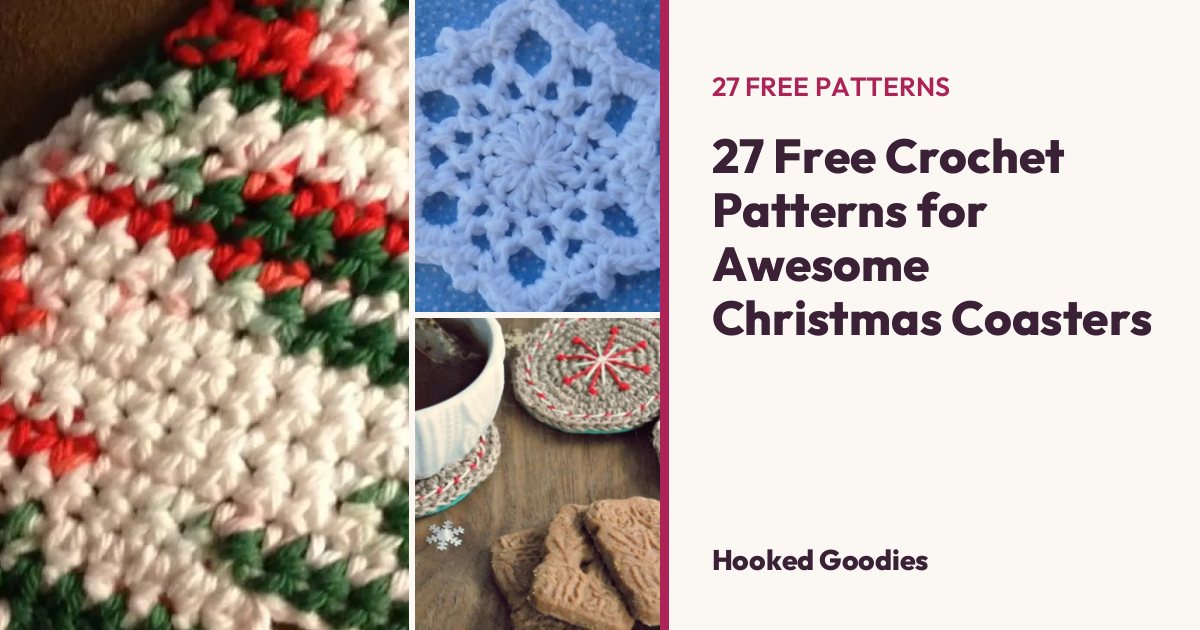
 27 patterns
Crochet Gauge Calculator
Measure your swatch and see your gauge per 4 inches and 10 cm, how it compares with the pattern, how big the piece will come out, how many stitches to chain, and which hook to try.
New to this? Read the guide, with an example
1. Your swatch
Crochet a square at least 5 in (12 cm) wide, then count the stitches and rows over a measured part in the middle.
2. The pattern’s gauge
Usually written as “16 sts and 18 rows = 4 in (10 cm) in sc”.
3. Optional: the width you want
From the pattern, e.g. “chain a multiple of 6 plus 2”. Leave 1 and 0 for any number.
Fill in your swatch to see your gauge.
your gauge
sts per 4 in sts per 10 cm
For wide, start with stitches .
What is gauge in crochet?
Gauge (tension in UK patterns) is how many stitches and rows fit in a set width, usually 4 inches or 10 cm. A pattern’s sizes only come out right at its gauge: crochet tighter and everything is smaller, looser and it’s bigger.
How to measure your swatch
- Crochet a square a little bigger than 4 in (10 cm) in the pattern’s stitch, with the yarn and hook you’ll use.
- Block it the way you’ll block the finished piece, and let it dry.
- Lay a ruler across the middle, away from the edges, and count the stitches (halves count) over 4 in. Do the same for rows.
Too many or too few stitches?
More stitches than the pattern means you crochet tighter: go up a hook size. Fewer means looser: go down a size. One hook size usually changes gauge by about 5–10%. Blankets and scarves forgive a little; hats, garments and anything fitted don’t.
Amigurumi gauge
For toys, gauge matters less than tightness: use a hook a size or two smaller than the yarn label suggests, so the stuffing doesn’t show through.
Free patterns to try next
All roundups
27 patterns
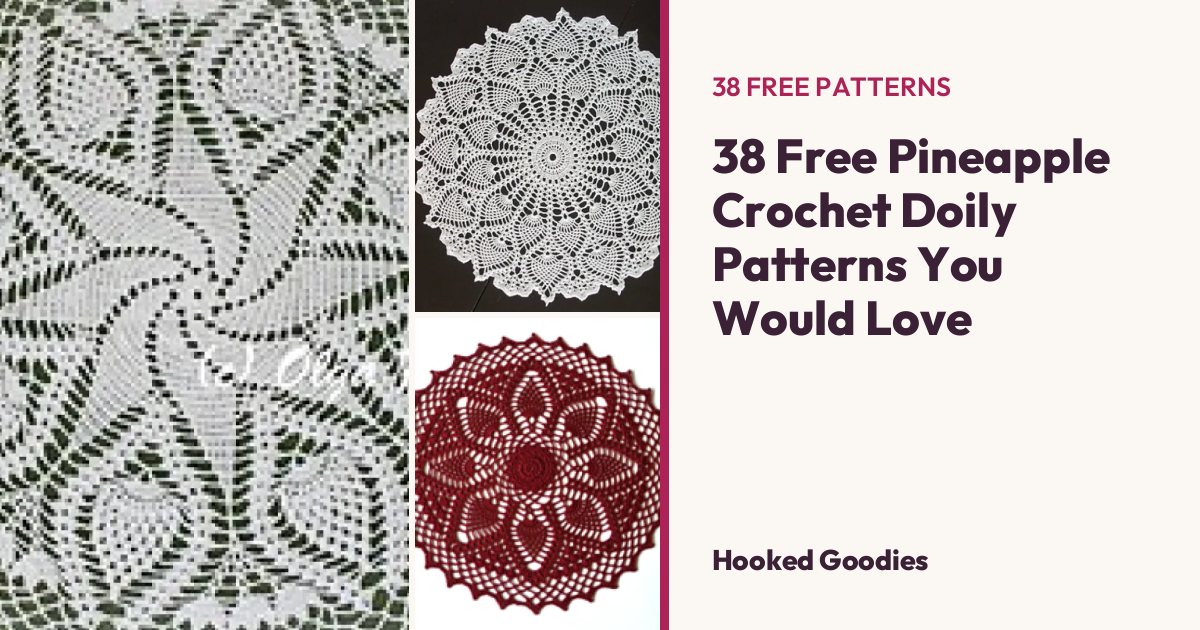 38 patterns
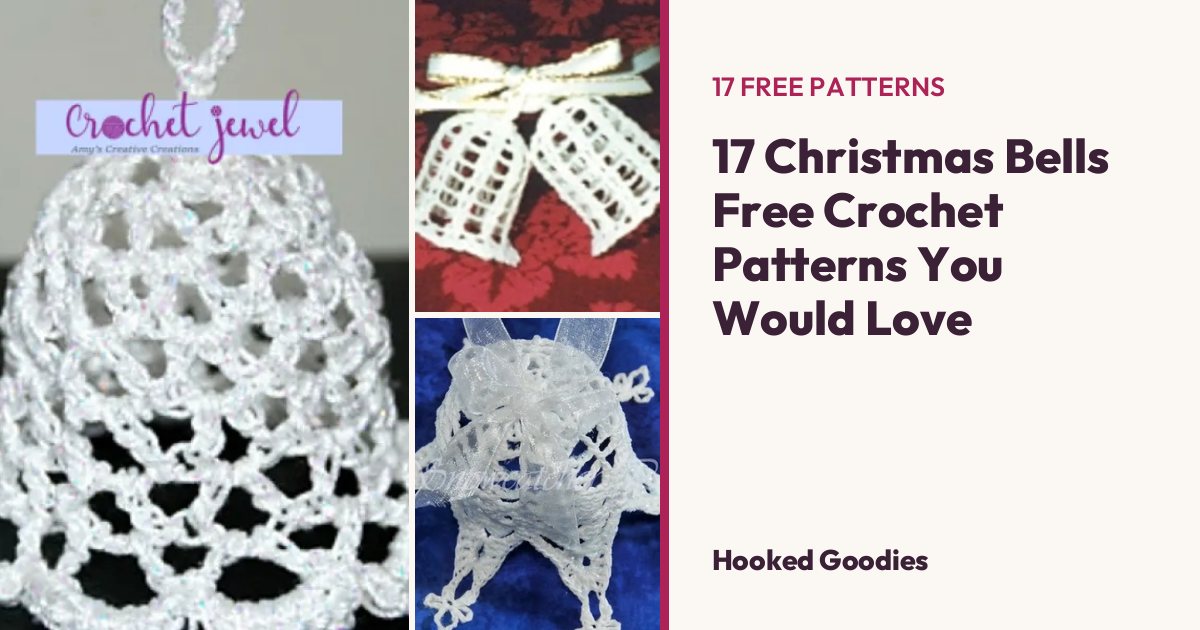 17 patterns